An exchange rate is the price of one currency in terms of another, and nobody sets it by decree. For the world's major currencies, the rate you see on a converter screen is the result of continuous trading between banks, funds and brokers around the clock. If one dollar buys about 0.88 euros today, that number reflects what buyers and sellers last agreed the pair was worth.
The important qualification: the rate you see is rarely the rate you get. Banks and currency providers add a margin on top of the reference rate, and that margin, not the market, is often the biggest cost of converting money.
This guide explains where the number comes from, why it moves, and why your bank's quote differs from the one on a converter site. The mechanics matter whether you are planning a trip, sending money abroad, or trying to understand headlines about the dollar, the euro or the yen. Readers following this should also see What Basel bank rules mean for crypto.
Who actually sets exchange rates?
For major currencies, the answer is: the market. Currencies trade continuously in the foreign exchange markets, and it is that trading that determines the relative values of different currencies, as the Wikipedia entry on currency describes. There is no official price list. A rate is simply the last price at which buyers and sellers agreed.
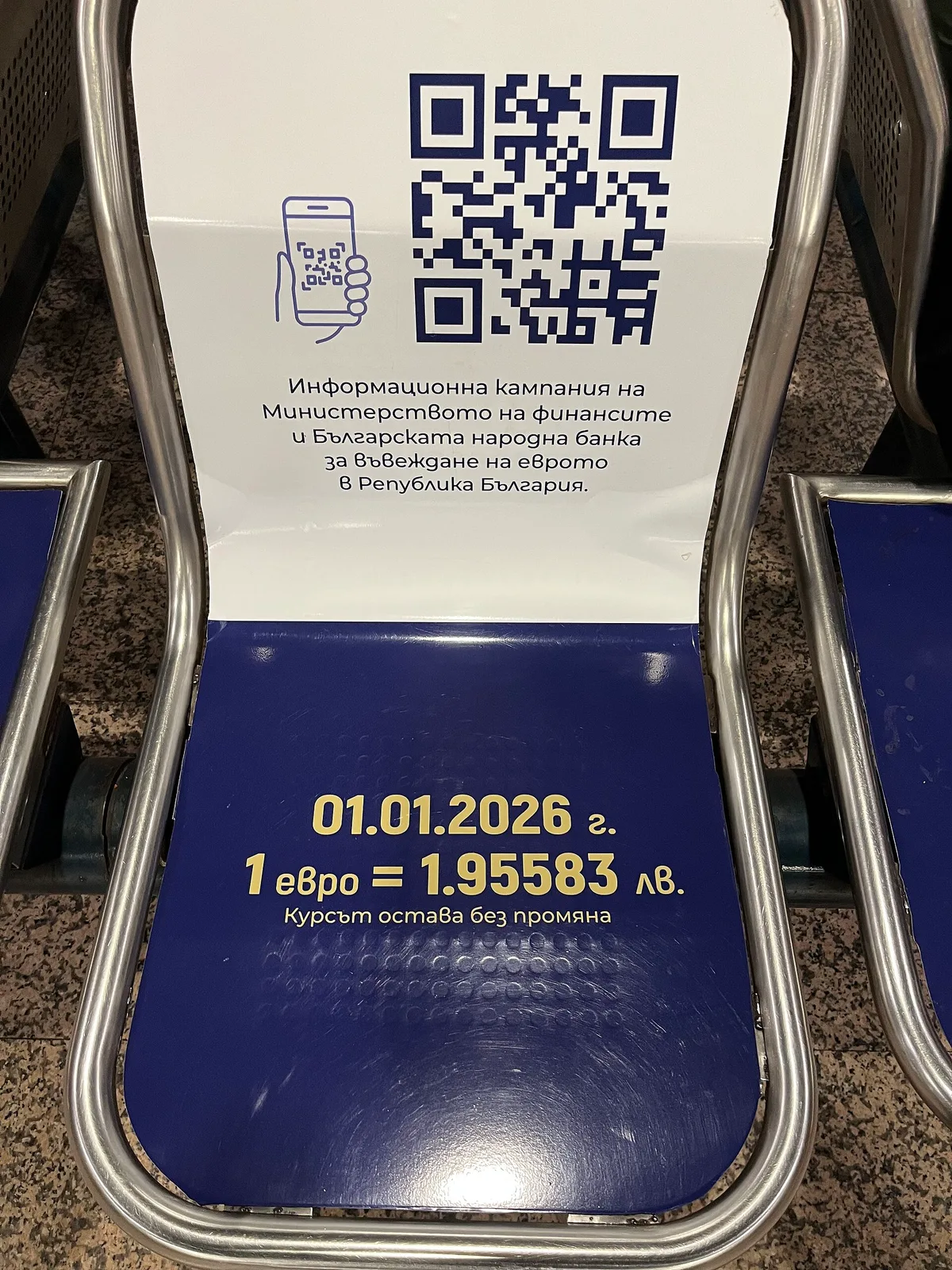
That said, governments are not powerless. Most countries issue their own currency, and some manage its value actively. A government can decree which money must be accepted for payments within its borders — legal tender laws can require a particular unit of account for payments to government agencies. A few countries peg their currency to another, holding it near a chosen level by buying and selling reserves. Others let the market set the rate and intervene only in emergencies.
So the honest answer has two layers. The day-to-day number is set by trading. The rules of the game — which currency exists, whether it floats or is pegged, and how freely it can be exchanged — are set by governments and central banks.
What is the mid-market rate, and why don't you get it?
The mid-market rate is the midpoint between what buyers will pay and what sellers will ask for a currency pair. It is the rate you see quoted on converter tools. Xe's currency converter states plainly that it uses the mid-market rate for informational purposes, and that you will not receive that rate when you actually send money.
Why not? Because every provider in the chain takes a slice. The gap between the reference rate and the rate you are offered is the margin, and it varies enormously by channel. Oanda's converter includes a comparison table of typical retail margins, showing the same dollar-to-euro conversion at everything from the interbank rate with no margin to a kiosk rate carrying roughly a 5% margin. A bank transfer, an ATM withdrawal and an airport kiosk can sit at very different points on that scale.
Think of it like a ticket reseller — the analogy breaks down in one way: there is no face value printed on a currency. The mid-market rate is the closest thing to a fair price, and everything above it is somebody's fee, whether it is labelled as one or buried in the exchange rate itself.
Why do exchange rates move?
Currency prices move for the same reason any price moves: supply and demand. When more people and institutions want to hold dollars, the dollar rises against other currencies. When they want out, it falls. The forces behind that demand are broad:
- Interest rates. When a central bank raises rates, holding that currency earns more. That tends to attract money and support the currency's value.
- Inflation. A currency that loses purchasing power quickly tends to weaken against currencies that hold theirs. Inflation readings move currency markets for this reason.
- Economic expectations. Traders price in what they expect, not just what is. A weak growth forecast can push a currency down before anything actually happens.
- Trade and capital flows. A country that exports a lot sees steady demand for its currency from foreign buyers paying for goods.
- Risk sentiment. In stressed markets, money often flows toward a small number of currencies seen as safe harbours, which can move rates sharply.
The same logic applies to assets that trade against currencies. Crypto prices respond to comparable forces — flows, expectations and sentiment — which we cover separately in Why crypto prices move the way they do. The difference is that major fiat currency markets are far deeper, so their prices usually move in smaller increments.
How often do rates change?
Continuously during trading hours. Reference rates update in near real time as trades happen. Oanda's converter notes that its rates update every hour to reflect the latest market data, while other services refresh more frequently. The mid-market rate at 3 p.m. may not be the mid-market rate at 3:05 p.m.
For a traveller this matters less than it sounds. Short-term wiggles are usually small compared with the retail margin — Oanda's comparison table shows kiosk margins of around 5%, a scale that dwarfs typical short-term rate moves. Over months, though, the moves compound, which is why savers holding money in a foreign currency watch the trend, not the hour.
What this means for your money
Our analysis, based on how the market is structured: the rate itself is not where most people lose money. The margin is. Three practical steps follow directly from the mechanism.
- Find the reference rate first. Check the mid-market rate on a converter before any conversion, so you know the fair price. Xe and Oanda both publish it, and both flag that it is informational only.
- Ask what rate you will actually receive. The difference between the reference rate and your quoted rate is your real cost. If a provider will not tell you, that is the answer.
- Compare channels, not just providers. Bank transfer, card, ATM and kiosk margins differ, as Oanda's comparison table illustrates. The cheapest channel for one corridor is not always cheapest for another.
One caution in the spirit of this site: currency conversion is a cost question, not an investment opportunity. Nobody can reliably predict next month's rate, and products promising to beat the market on currency moves carry the same risk as any speculation. If your interest in exchange rates extends to digital assets, note that a stablecoin is designed to track a single currency's value, which we explain in What is a stablecoin and how does it work? — including the ways that design can fail.
The takeaway
Exchange rates are market prices set by continuous global trading, bounded by rules that governments and central banks choose. The number on a converter is the mid-market reference rate; the number on your receipt is that rate plus a margin that varies widely by provider and channel. Check the reference rate, ask for the real one, and treat anyone offering certainty about where rates go next the way you would treat anyone selling a forecast: with a highlighter and a raised eyebrow.