
Blockchain
Blockchain definition check: 12 terms everyone confuses
Coin, token, ledger, layer — the words get used interchangeably all the time. They should not be.
How distributed ledgers reach agreement, what a block contains, when a transaction becomes final, and which guarantees a chain does not provide.
Coin, token, ledger, layer — the words get used interchangeably all the time. They should not be.
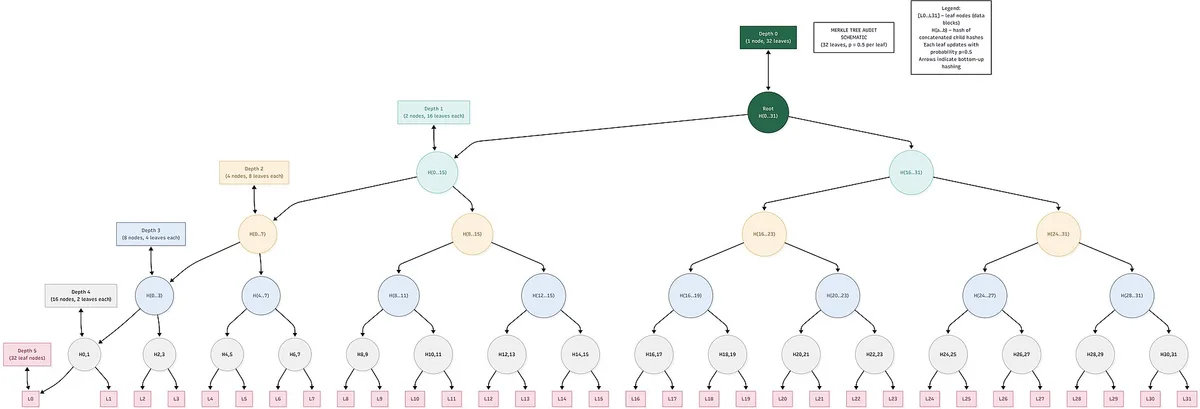
A Merkle tree turns thousands of transactions into one short root hash. Here is how blocks use it to prove their contents, why proofs stay small, and where the…
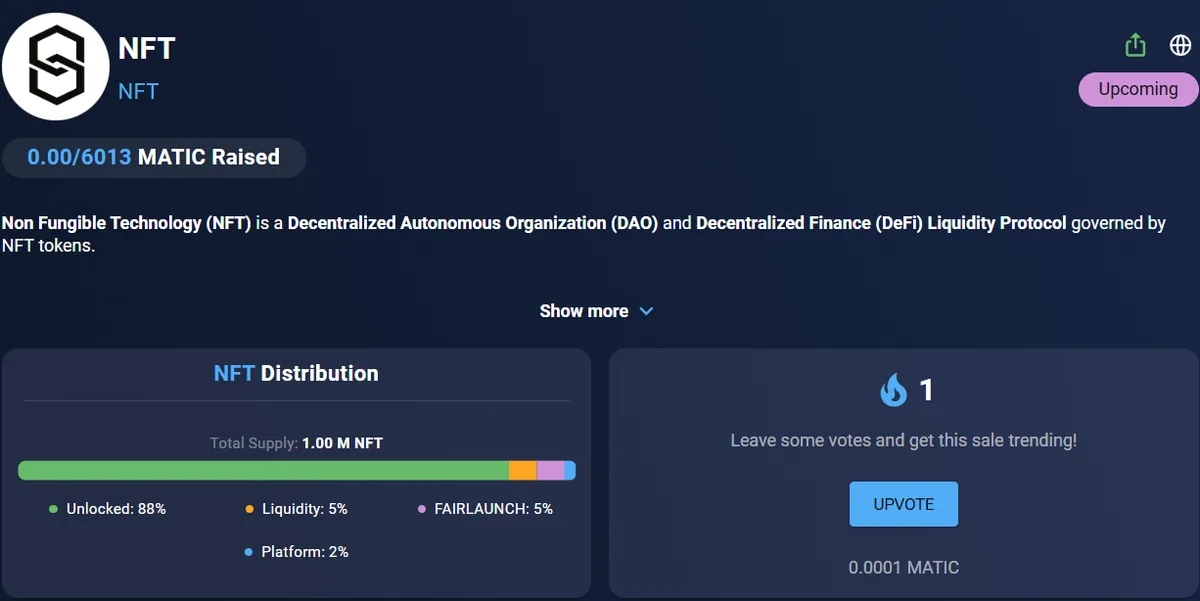
A distributed ledger is just three moving parts: a chain of records, computers holding copies, and a rule for agreeing on the next one. Here is what each part…
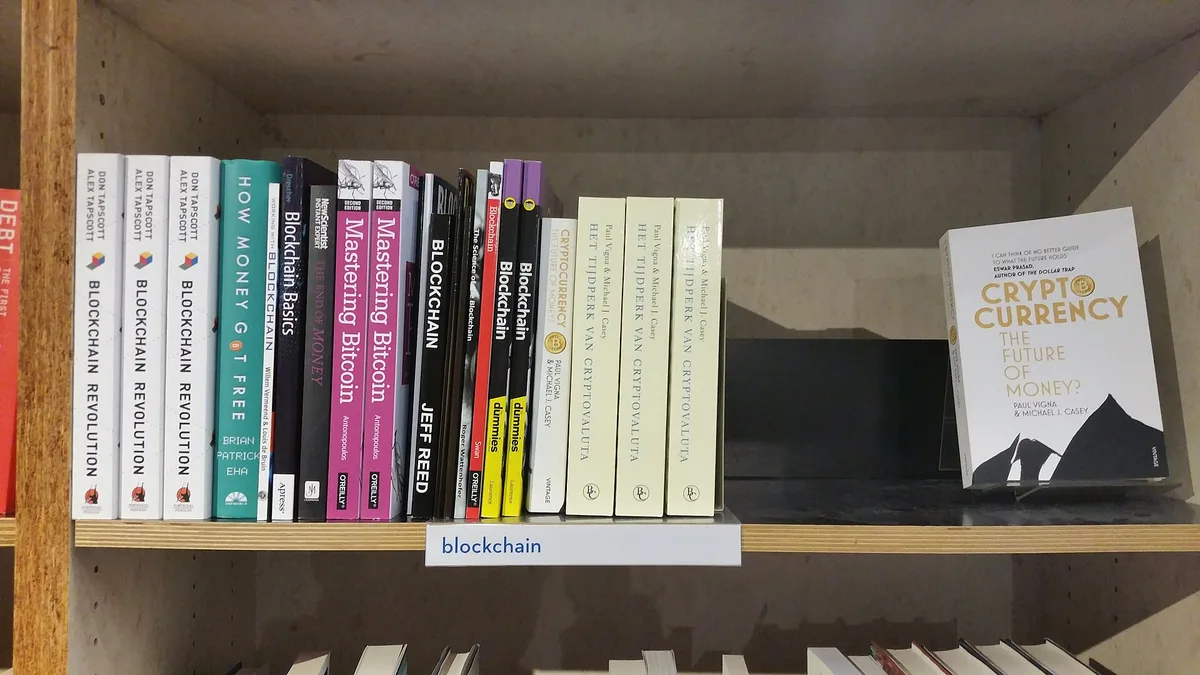
Summer Mersinger is out, Kristin Smith is back as interim CEO, and the handover lands on October 16 — here is how to read the shift without the spin.

Strip away the jargon: a blockchain is a shared record book that thousands of computers keep copies of, and that is what makes it hard to quietly rewrite.