
Topic
Web3 ledger wallet: How hardware wallets fit into a Web3 security stack
A dedicated signing device can protect your keys without breaking how you use apps — if you know where it helps and where it doesn't.
A dedicated signing device can protect your keys without breaking how you use apps — if you know where it helps and where it doesn't.

Regulation, infrastructure and trust set the pace — and the same technology moves at very different speeds in different places.

Free market updates are not free. Someone pays for the servers, and the payment usually comes out of your attention, your data, or your trading.

The two fund types differ in one core decision — whether anyone picks the holdings — and that decision shapes costs, risk, and who does the work.

Government bond yields ripple through loans, savings accounts and the headlines you read every morning.

The vocabulary behind the movement, the ideals its builders point to, and the limits its critics keep raising.

Reusing the same password across accounts is the habit behind most account takeovers. Here is what a password manager does, and how to move to one without stress.
Coin, token, ledger, layer — the words get used interchangeably all the time. They should not be.
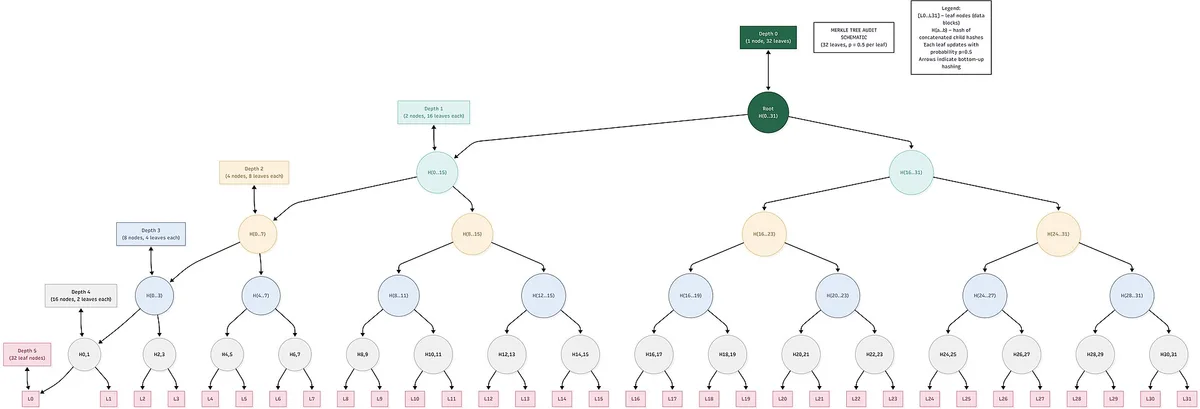
A Merkle tree turns thousands of transactions into one short root hash. Here is how blocks use it to prove their contents, why proofs stay small, and where the structure shows up outside crypto.

Smart contracts cannot see prices, weather, or sports scores on their own. Blockchain oracles feed them outside data. Here are the main oracle types and the trust trade-off they bring.